What is the role of technology in early childhood education?
CEFA CEO Arno Krug Jr. joined Marc Saltzman on iHeartRadio’s Tech Talk to answer this important question, discussing how educators and families can think about technology in the early years.
Strong guardrails, not more screen time
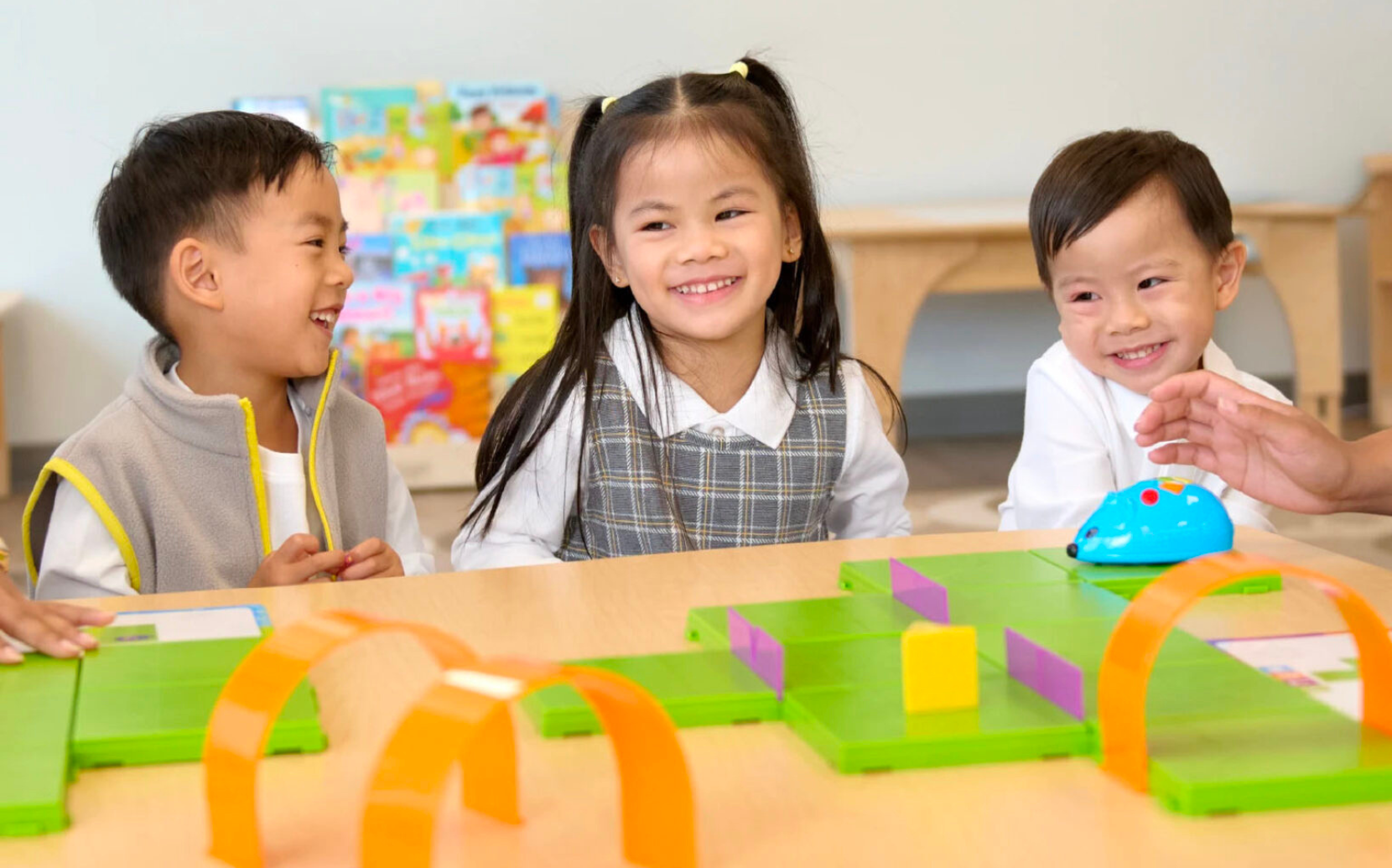
Arno’s message was balanced: technology is part of children’s future, but especially in early childhood, it needs to be introduced carefully, intentionally, and with strong guardrails.
He spoke about the importance of the first five years, when children’s brains develop rapidly. These years lay the foundations for communication, emotional intelligence, creativity, curiosity, confidence, and critical thinking. Technology in early childhood education should support development, not replace the relationships and human interaction children need most.

AI, Arno explained, may offer its greatest value behind the scenes. It can help educators reduce administrative tasks, improve programming, and identify where a child may need additional support. Used responsibly, this gives teachers more time to focus on children.
“We think that the best technology is a very good teacher, one that is well-trained, present, motivated, and supported by AI tools in the background to do the great work that they do. The real opportunity with AI is to create more human connection, not less.”
Developing healthy digital habits early
The conversation also covered privacy, digital literacy, and responsible technology habits. For Arno, these habits begin early.
“We want children to develop healthy digital habits from the start: kindness, responsibility, understanding that not everything needs to be shared.”
As AI continues to shape how people live and work, Arno emphasized that children don’t need to be prepared to compete with machines. They need opportunities to build the human skills technology can’t replace: empathy, adaptability, creativity, confidence, and strong social-emotional foundations.
“At CEFA, those are the skills we build every day, for real relationships, hands-on learning, meaningful experiences,” Arno shared. “Parents can rely on us for that, and on the great educators that we have in our schools to support us on this journey.”