
Written by Melissa – Parent and Early Childhood Educator
Do you remember your Kindergarten days as a kid? Did you know that over the past few years Ontario schools have transitioned to more dominantly play-based programs rather than curriculum-based education? It’s not the kindergarten you remember.
The change started in 2010 when the Ontario Ministry of Education introduced full-day, two-year kindergarten for children ages four and five. This decision was based on research that showed that quality, full-day kindergarten with a strong foundation in play, inquiry, and exploration greatly improved children’s attention, verbal, and social skills.
I understand the importance of play-based learning for children under six, but I also can’t deny the studies that support the importance of an Early Learning curriculum based on the science of children’s brain development. Research shows that 90% of a child’s brain is already developed by the time they reach kindergarten.
This brain development is based on “synaptic blooming,” which happens in the first five years of a child’s life. During this time, a child is learning about their world and making synaptic connections in their brain centred around four core areas: language, numbers, peer social skills, and emotional control. Connections made during this synaptic blooming period give children the foundation to learn to walk, jump, run, speak, read, write, understand emotions, and begin developing their fully capable brain.
With this important information about curriculum-based learning, Ontario can’t completely take away a structured curriculum, can they? Can a hybrid play- and curriculum-based Early Learning program provide all the benefits and growth children need to get a good start in life?
Children need more than unstructured play to thrive
As a Registered Early Childhood Educator, I understand the importance of play, relationship building, independence, and self-expression. That’s why I was extremely hopeful about the new kindergarten model when it was first introduced.
My oldest child started junior kindergarten in Ontario in 2011. His class was the first at his school to implement the full-day, play-based curriculum. In theory, it checked a lot of boxes for our family. I liked the idea of my child having a gradual start to the classroom, especially one that had a lot of free play and time dedicated to building social skills. This excited me!
In the two years he was enrolled in this program, my son blossomed into a confident, articulate, funny kindergarten graduate. What was there not to love?
Midway through Grade 1, things changed. I went from being confident with my son’s schooling to being concerned. He began to struggle with literacy and math, and he wasn’t alone. His classmates were struggling too. It was then that I learned that the Grade 1 curriculum had not been changed to meet the new kindergarten play-based structure. There was a gap in the education system.
This was heartbreaking to discover! In speaking with the Grade 1 teachers, they expressed significant challenges with the curriculum being taught to kids who had gone through play-based kindergarten. Other parents were frustrated and emotional that their children were struggling.
Because of the disconnect and the widespread challenges, I assumed the school curriculum would change. Unfortunately, the change didn’t come. Now years later, and as the Director of a before and after school program, I’ve spent hours listening to concerned parents sharing stories like what I experienced with my son in grade 1.
Don’t get me wrong. You can teach children effectively through play. But children need both unstructured and structured play to take advantage of the significant synaptic blooming during these early years. Children need more than just care to thrive, and it is why parents need to be asking more of early-age childcare.
Creating change and making a difference in their future
I decided I needed to take a more active role in providing an enriching mix of play and curriculum-based Early Learning for children. I joined CEFA as the administrator at the Early Learning School in Oakville, Ontario because their values aligned with mine.
CEFA’s curriculum is designed for children 0-5 and is based on child brain development research. I can now help more parents learn about the importance of teaching kids the right information at the right time. This helps parents understand the benefits of opting into an Early Learning program, rather than Kindergarten to help avoid a difficult transition in grade 1.
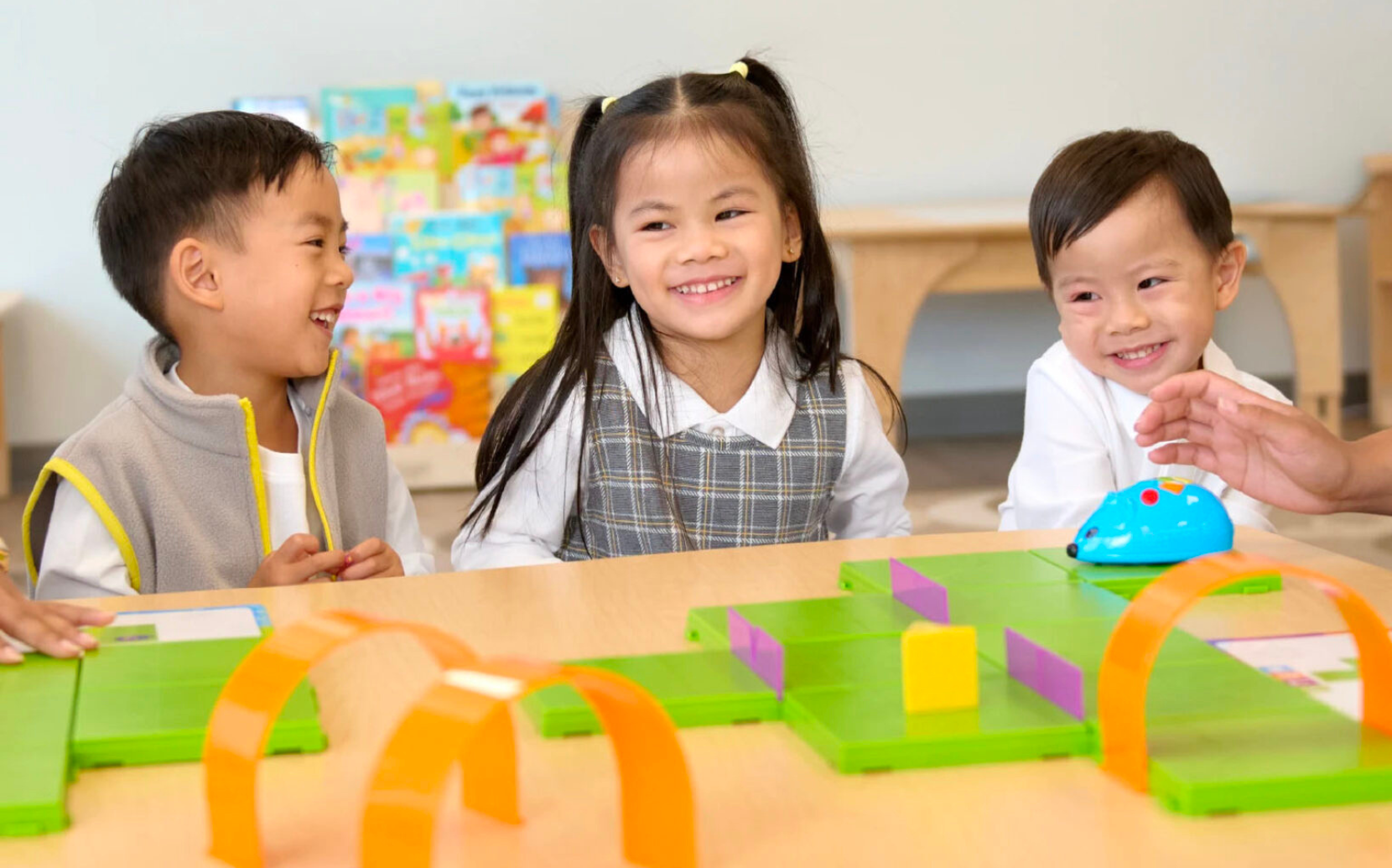
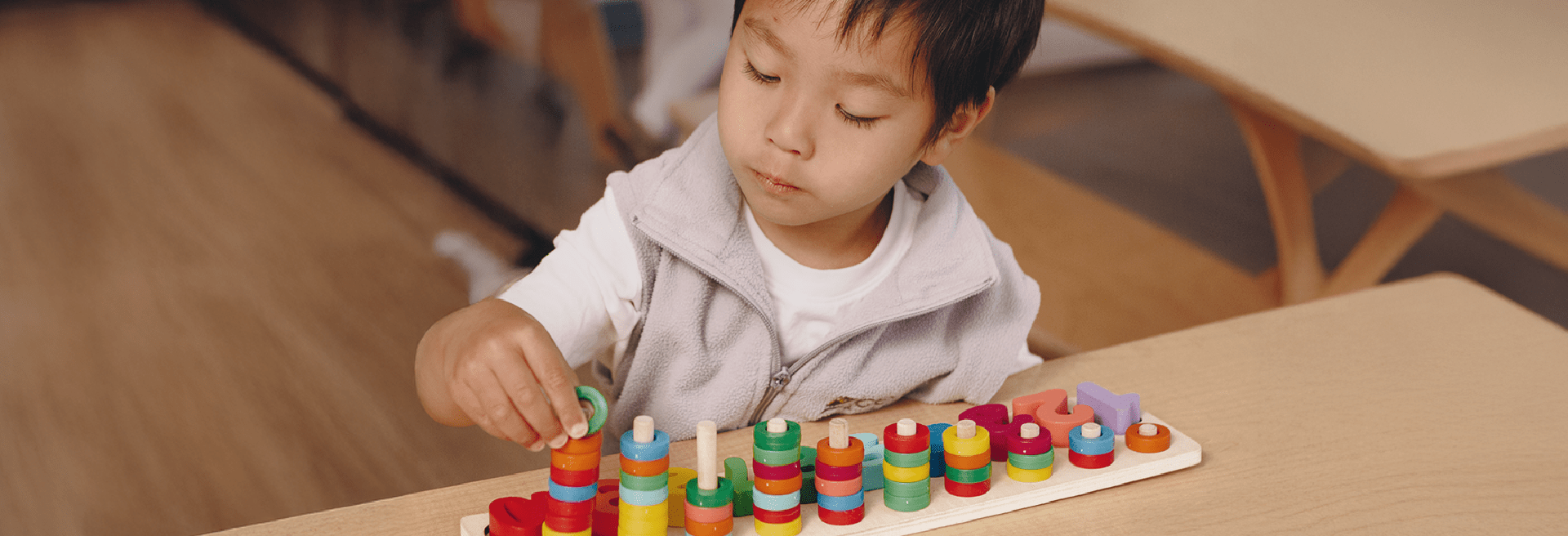
I now teach children a curriculum with both structured and unstructured play, because when used together, I’ve seen the most long-term benefits in children. Play makes learning engaging and fun for children. It takes a special kind of teacher to effectively teach young children through play, which is why CEFA Teachers go through specialized training. They learn how to effectively use play- and curriculum-based learning to a child’s maximum benefit.
CEFA has a strong foundation in play, inquiry, and exploration that greatly improve children’s attention, verbal, and social skills, and teaches them essential language, numbers, social, and emotional skills. There are studies that support the success of high-quality Early Learning, like a child’s ability to have a higher IQ, higher basic achievement levels, increased chance of graduating, and a stronger likelihood of earning a higher salary as an adult. These benefits can’t be ignored.
Bridging the Gap in Ontario
Because the early years represent such a critically important window of opportunity that determines a child’s success in school and in life, I’m continuing my mission of increasing awareness of these Early Learning programs. Unstructured play is just as imbalanced as focusing only on classroom learning. The two can, and should, co-exist.
The role of play is important, and play doesn’t have to only mean ‘unstructured.’ CEFA uses play to teach the right things at the right time during a child’s most important developmental period. By bridging the gap to Grade 1 in this way and enrolling your children in sophisticated Early Learning programs based on child brain development, bigger and brighter futures are possible.
Subscribe to stay updated with parenting tips and early learning insights.